






 19 Jan 2026
Tags: Japan, travel, Train, Visit Japan

What Is the East Japan Golden Route?
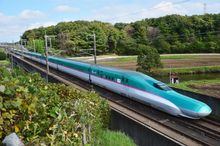
The East Japan Golden Route is introduced as a wide-area rail itinerary that begins in Tokyo and follows the Tohoku and Hokkaido Shinkansen north through Sendai, Morioka, Hachinohe, and Aomori, continuing on to Hakodate.
The route allows travelers to move continuously by Shinkansen from Tokyo toward Hakodate, linking cities and their surrounding regions into a single, connected journey.
Rather than setting a single city as the final destination, the East Japan Golden Route is designed to incorporate multiple regions along the way.
By viewing Tohoku and Hokkaido—including Hakodate—as one continuous travel axis, it becomes possible to experience gradual shifts in culture and landscape as the journey unfolds.
A Journey Connected by the Tohoku–Hokkaido Shinkansen
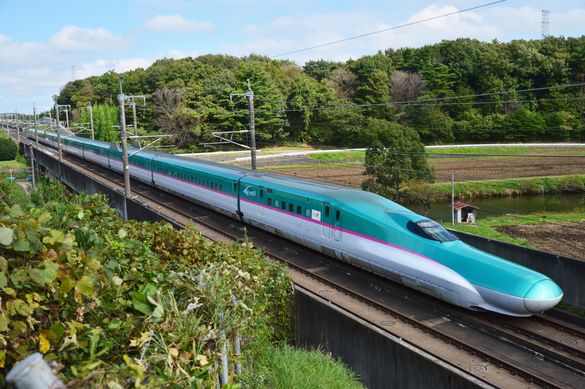
At the core of the East Japan Golden Route is the Tohoku–Hokkaido Shinkansen.
Running from Tokyo through northeastern Japan, crossing beyond Shin-Aomori, and continuing on to Hakodate, this line makes long-distance travel feel routine and accessible.
Shinkansen stations are typically located in the centers of major cities, making it easy to step off the train and immediately begin exploring or reporting.
The sense of distance between cities is reduced, allowing itineraries to be planned without placing strong emphasis on travel time, a key factor supporting the practicality of this route.
Five Cities, Five Distinct Perspectives
Sendai
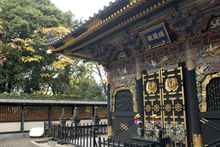
Often referred to as the “City of Trees,” Sendai combines abundant greenery with the functions of a major urban center. Key sites such as the ruins of Sendai Castle and Zuihoden Mausoleum, the mausoleum of Date Masamune, reflect the city's historical background, while tree-lined streets like Jozenji-dori Avenue shape its urban landscape. Local food culture, including gyutan (grilled beef tongue) and zunda-based sweets, is also closely tied to the city's identity.
Morioka
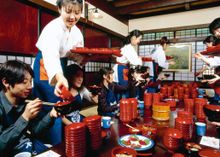
Morioka is a city where history and nature exist in close proximity. Castle park ruins and old post-road scenery remain part of the urban landscape, while local dishes such as wanko soba offer insight into everyday regional life and culture.
Hachinohe
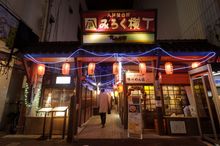
With its strong identity as a port city, Hachinohe is closely tied to the Pacific coast of Sanriku and its fresh seafood. In the city center, places such as Miroku Yokocho provide opportunities to experience local food culture in a casual setting.
Aomori
Known for the Nebuta Festival, Aomori offers access to festival culture through museums and exhibition facilities, as well as markets featuring regional cuisine. Natural scenery and cultural institutions are scattered both within and beyond the city, making it easy to combine urban stays with nearby excursions.
Hakodate
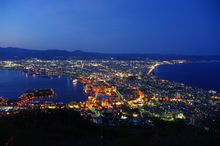
Hakodate is a port city characterized by its historic streetscapes and coastal setting. In addition to areas such as Goryokaku Park and the Motomachi district, the city is known for night views from Mount Hakodate, offering contrasting impressions between daytime and evening. Local seafood markets also play an important role in shaping the city's culinary identity.
GranClass: When the Journey Itself Becomes Part of the Experience
On select Tohoku and Hokkaido Shinkansen services, the highest class of seating, GranClass, is available.
GranClass features exclusive 2+1 seating, providing more generous seat spacing than standard classes. Reclining mechanisms, leather seats, and carefully designed interiors help reduce physical strain during long journeys.
The overall atmosphere inside the car is calm, with a relatively quiet environment that encourages relaxation.
On certain services, dedicated attendants provide onboard service, and depending on the train and operating conditions, light meals and beverages may be offered (service content varies by train and route).
Rather than treating travel time as something to be endured, GranClass allows passengers to use the journey to observe the passing scenery, organize their thoughts, and prepare for the next destination.
For long-distance travel from Tokyo through Tohoku and onward to Hakodate in Hokkaido, it is positioned as an option for those who wish to enhance the quality of the journey itself.
Toward a Less Familiar Japan
Many of the regions included along the East Japan Golden Route are not as internationally recognized as Tokyo or Kyoto.
At the same time, each city retains histories, cultures, natural settings, and food traditions rooted in its local environment—offering perspectives on Japan that differ from those found in major metropolitan centers.
As the journey progresses, landscapes gradually change.
Experiencing those transitions as part of a continuous flow is a defining structural feature of the route.
The East Japan Golden Route presents one option for exploring parts of Japan that remain relatively unfamiliar, region by region, through travel itself.
