



 12 Feb 2026
Tags: travel, Train, Japan, Tohoku, #traintravel, #tohoku

Located in northeastern Japan, Fukushima offers a rare concentration of landscapes shaped by mountains, forests, volcanic terrain, and coastline, all connected by a dense rail network. Reached from Tokyo in about 1 hour 30 minutes by the Tohoku Shinkansen, the prefecture brings together castle towns, hot-spring districts, agricultural heartlands, and fishing communities within a compact travel area.
Three regions define its character: Aizu with samurai heritage and crafts, Nakadori with orchards and sake breweries, and coastal Hamadori with seafood culture and mild climate. Highlights include Lake Inawashiro, the Bandai-Asahi National Park, historic settlements such as Ouchi-juku, dramatic rail scenery along the Tadami Line, and local cuisine ranging from Kitakata-style ramen to Aizu specialties. Everyday life in seaside towns and rural communities adds contemporary context to journeys through the region.
Landscapes Between Mountains and Sea
Fukushima lies in northeastern Japan, bordered by mountain ranges to the west and the Pacific Ocean to the east. Snowy highlands, fruit-growing basins, volcanic terrain, dense forests, and a temperate coastline coexist within a single prefecture, forming a diverse landscape shaped by centuries of settlement and regional life.
The prefecture includes Lake Inawashiro, Japan's fourth-largest lake, as well as the Bandai-Asahi National Park. Around 130 hot-spring areas are spread across the region, reflecting its long-standing role as a destination for rest and retreat.
About 1 Hour 30 Minutes from Tokyo
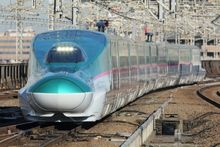
Tokyo and Fukushima are connected by the Tohoku Shinkansen in about 1 hour 30 minutes. Despite the short journey, visitors encounter castle towns, mountain lakes, onsen districts, and food traditions rooted in local agriculture and brewing, creating a strong contrast with the pace of the capital.
Three Regions That Define Fukushima
Fukushima's character is shaped by three distinct areas.
Aizu is associated with samurai history and craft traditions such as Aizu lacquerware, akabeko toy cows, and okiagari-koboshi tumbling dolls. The central Nakadori corridor forms the prefecture's agricultural and commercial core, with orchards, markets, and sake breweries. Along the coast, Hamadori is characterized by its mild climate, fishing ports, and seafood culture.
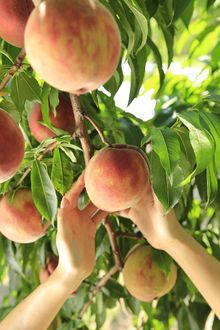
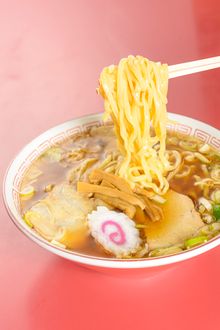
Together, these regions underpin Fukushima's reputation for award-winning sake, seasonal peaches and pears, and Kitakata-style ramen.
Railways Linking Castle Towns and Lakes
An extensive rail network supports travel throughout the prefecture. By combining Shinkansen services with local JR and private railways, it is possible to move efficiently between mountain scenery, historic castles, lakeside environments, and hot-spring areas.
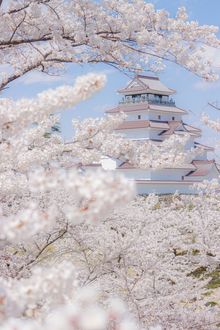
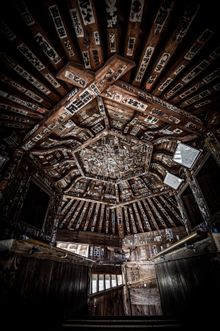
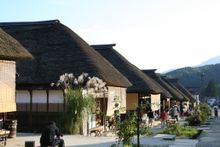
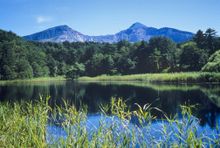
In Aizu-Wakamatsu, Tsurugajo Castle and the rare double-helix wooden hall known as Sazaedo anchor the former castle town, while the thatched-roof streets of Ouchi-juku preserve the atmosphere of an Edo-period post station. In the Inawashiro and Urabandai area, the Goshikinuma Ponds are known for their shifting blue and emerald tones, created by mineral content in the water and changing light conditions.
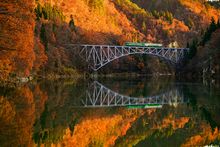
Railway scenery itself forms part of the region's appeal, particularly along the Tadami Line in Oku-Aizu, where local trains cross river valleys framed by forested slopes.
Fukushima on the Tohoku Shinkansen
Fukushima is one of the principal destinations reached via the Tohoku Shinkansen, which links Tokyo with cities across northern Honshu. The short travel time from the capital allows flexible routing across the prefecture and onward travel deeper into the Tohoku region.
A Region Where Nature and Daily Life Intersect
Mountain terrain, castle towns, onsen districts, seasonal lakes, agricultural landscapes, and coastal communities intersect throughout Fukushima. In the Hamadori area, everyday life in seaside towns and local initiatives provide insight into contemporary Fukushima, adding depth to travel experiences across the prefecture.
Rail connectivity and geographic variety make it possible to encounter sharply contrasting landscapes and cultural settings within a relatively compact area.
Learn More
Further destination details, access guidance, and regional travel information are available on the official tourism website, “Fukushima Travel.”
https://fukushima.travel/
Shinkansen tickets can be booked online through JR East Train Reservation:
https://www.eki-net.com/en/jreast-train-reservation/Top/Index
